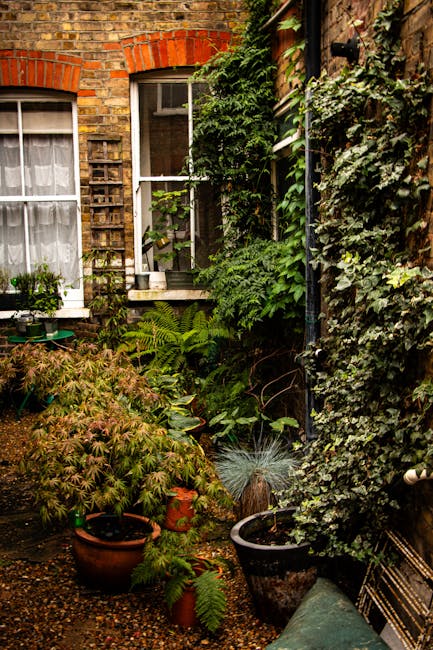
Dalston roof terrace gardeners insider planting tips
If you have a roof terrace in Dalston, you already know the appeal: a bit of sky, a view over the neighbourhood, and that rare feeling of being outdoors without leaving home. The catch? Roof terraces can be brilliant and unforgiving at the same time. Wind whips through, containers dry out fast, and plants that look perfect at the garden centre can sulk within a week. These Dalston roof terrace gardeners insider planting tips are about working with that reality, not against it.
Whether you are starting from scratch or trying to rescue a tired terrace that has lost its shape, the right planting choices make all the difference. In this guide, we will cover the practical side of planting for exposed urban spaces: what thrives, what struggles, how to build layers of interest, and how to avoid the classic mistakes that turn a stylish terrace into a patchy one. A good roof garden should feel lived-in, not overworked. And yes, it can still be low-maintenance.
There is a particular kind of satisfaction in standing outside on a slightly breezy evening, looking at a terrace that just works. Not flashy. Just balanced. Let's get into it.
Why Dalston roof terrace gardeners insider planting tips Matters
Roof terraces are not just "small gardens in the air". They behave differently. A terrace in Dalston can get more wind than a ground-level courtyard, more reflected heat from surrounding surfaces, and less predictable moisture. That means ordinary planting advice often falls short. The plants may be the same, but the growing conditions are not.
That is why insider planting tips matter here. They save time, money, and a fair bit of frustration. A well-planted terrace feels full even when the footprint is modest. The trick is not cramming in as many pots as possible. It is choosing plants that suit the exposure, grouping them intelligently, and making sure the whole scheme can survive a hot spell, a cold snap, and a week when you simply forget to water. Truth be told, that happens to everyone.
In practical terms, Dalston roof terrace gardeners need to think like designers and like problem-solvers. You are not just buying plants; you are building a microclimate. That sounds grand, but it often starts with very simple questions: Where does the wind come from? Which part of the terrace gets the morning sun? Where will water actually drain? These small details decide whether the terrace feels lush in August or ragged by July.
There is also the visual side. Roof terraces are seen from inside the home as much as they are used outside. The right planting can soften hard edges, frame views, and make the space feel intentional. Without that, even a nice terrace can look a little temporary, like someone forgot to finish the job. Nobody wants that.
How Dalston roof terrace gardeners insider planting tips Works
The core idea is simple: match plants, containers, and maintenance habits to the conditions you actually have. On a roof terrace, planting works best when you start with structure first and prettiness second. That does not mean the space will be dull. It means the scheme will last.
Start with the environment. Roof terraces tend to be windier than you expect, especially at height or between buildings where gusts funnel through. Soil in containers dries faster than garden soil, and terracotta can lose moisture more quickly than you might like. If the terrace is south- or west-facing, summer heat can be intense by midday. If it is shaded by nearby buildings, then you are dealing with a different set of plants altogether.
Then think in layers. A successful terrace usually has three broad planting levels: tall structure, mid-level body, and lower fillers or trailing plants. This is what gives the eye something to follow. One lonely pot on a roof terrace looks like a shopping mistake. A grouped composition feels deliberate.
Finally, there is maintenance rhythm. If the plants you choose need constant clipping, staking, feeding, and emergency rescue, the terrace will become a chore. The best planting schemes are resilient enough to forgive busy weeks and a few less-than-perfect days. That is the real insider tip, honestly: build for real life, not for the glossy photo.
Key Benefits and Practical Advantages
A well-planned roof terrace planting scheme brings more than visual appeal. The benefits are practical, emotional, and surprisingly everyday.
- Better wind resistance: Properly chosen plants can tolerate exposed conditions without flopping or scorching.
- Longer seasonal interest: Layered planting keeps the terrace attractive from spring through winter, not just in one short burst.
- More privacy: Taller plants and screening species can soften overlooking windows or neighbouring sightlines.
- Easier upkeep: The right container mix and plant palette reduces watering stress and constant replacements.
- Improved atmosphere: Texture, scent, and movement make the space feel calmer and more usable.
There is another benefit that gets overlooked: confidence. Once you understand why a plant is struggling, you stop guessing. You stop buying the same things twice. You notice patterns. Maybe the terrace gets a harsh late-afternoon blast of sun. Maybe one corner never really dries out. Maybe the old planters are too shallow. These observations matter more than any trend-led plant list.
If you are working with a broader outdoor redesign, it may also help to think about the terrace as part of the wider property. Some homeowners combine planting with landscape gardening or even add practical elements such as decking services to create a cleaner, more usable layout. The point is not to make the terrace look expensive. It is to make it work hard for the space you have.
Who This Is For and When It Makes Sense
These tips are for anyone with a roof terrace, balcony-sized or generous, who wants planting that actually survives the setting. If your space is in Dalston or nearby Hackney, you are likely dealing with a mix of urban heat, wind, and shade from surrounding buildings. That combination can be tricky, especially if you are new to terrace gardening.
It makes sense for you if:
- your plants keep drying out faster than expected
- you want the terrace to feel greener without becoming high maintenance
- you are replacing failed plants for the second or third time
- you need privacy without building a solid wall
- you want a more polished look from both inside and outside the home
It also makes sense if you are planning to use the terrace more often. A usable terrace is not just decorative. It might need space for a table, a few chairs, or a quiet corner for morning coffee. In that case, planting should frame the space, not crowd it. More isn't always better. In fact, too many pots can make a terrace feel smaller and harder to move through.
If the area is already overgrown, cluttered, or a bit neglected, a garden maintenance approach can be the smartest starting point before any new planting goes in. Sometimes you need a clean slate before the good stuff will really take hold.
Step-by-Step Guidance
Here is a practical way to plan a roof terrace planting scheme without overcomplicating it.
1. Assess the terrace properly
Walk the space at different times of day. Morning, midday, and early evening all tell you something different. Note where the sun lands, where the wind cuts through, and which corners stay shaded. If you can feel a draught while standing still, your plants will feel it too.
2. Decide what the terrace needs to do
Do you want privacy? Colour? Edible plants? A soft, relaxed look? A clean modern feel? Be honest about this, because a terrace that tries to do everything often ends up doing nothing very well. A simple brief leads to better plant choices.
3. Choose the right containers
Container depth matters. Shallow pots dry out too fast and restrict roots. Heavier containers offer more stability in wind, which is a major issue on rooftops. If weight is a concern, consider lighter composite planters that still hold enough compost volume. Drainage holes are non-negotiable. Really non-negotiable.
4. Build from structure outward
Start with larger backbone plants. These create the frame and help the terrace feel rooted. Then add medium-height plants for fullness. Finally, include trailing or low plants to soften edges and spill naturally. This creates a more layered, professional look.
5. Use the right compost and mulch
Good-quality compost supports better root growth and moisture retention. A mulch layer helps reduce evaporation, especially in summer. In windy spots, mulch is not decorative fluff; it is practical protection.
6. Water with a rhythm, not panic
Water deeply rather than little and often. On hot, exposed terraces, the top layer can dry while the deeper root zone still needs a proper soak. Early morning watering is usually more effective than trying to rescue plants after they have already flagged at 6 p.m.
7. Plan for seasonal refreshes
Some plants will look superb for part of the year and then tail off. That is normal. Build in a few seasonal swaps, especially for containers at the front edge of the terrace where they are most visible. A small refresh can make the whole space feel new again.
One simple rule helps more than people realise: if you do not know where to begin, begin with fewer, better plants. You can always add more later. And yes, that is kinder on the budget too.
Expert Tips for Better Results
Here is where the little details start to matter. These are the sorts of decisions experienced terrace gardeners make early, because they save work later.
Go for wind-tolerant planting first
Not every plant likes the rooftop life. Choose species with flexible stems, smaller or leathery leaves, and a naturally compact habit. Big, floppy leaves may look dramatic in a sheltered nursery, but on an exposed terrace they can tear or scorch quickly.
Use repetition to make the terrace feel calm
A repeated plant group across several containers creates rhythm. Too many different species can look chaotic, especially in a relatively small space. Repetition also makes maintenance easier, because plants with similar needs can be grouped together. Sensible, not boring.
Think about the view from inside
This is a classic expert move. Look at the terrace from your kitchen or living room window. The planting should have a pleasing silhouette from that angle too. A terrace that looks fine up close but messy from indoors often feels less successful overall.
Balance evergreen and seasonal plants
Evergreens provide structure through winter and keep the terrace from becoming bare. Seasonal flowers or foliage bring the sparkle. You want both. Too many seasonal plants means winter disappointment; too many evergreens can feel stiff. The sweet spot is somewhere in between.
Use scent thoughtfully
Scented plants near seating areas can be lovely, especially in warmer evenings. But be careful not to overdo it with strong fragrances all at once. A subtle note of lavender, thyme, or jasmine in the right place is usually enough. You are aiming for atmosphere, not a perfume counter.
Choose a maintenance level you can live with
Be realistic. If you are away often, travel for work, or simply prefer low-fuss weekends, design for that. There is no prize for creating a high-maintenance terrace that becomes stressful by June. The best roof gardens are the ones you can enjoy without feeling guilty every time the watering can sits untouched.
Common Mistakes to Avoid
Most roof terrace problems are predictable. The good news? That means they are avoidable.
- Ignoring wind exposure: Plants that look fine at ground level may fail on a roof terrace.
- Using pots that are too small: Small containers dry out quickly and limit root growth.
- Choosing plants only for appearance: A beautiful plant that hates exposure is still the wrong plant.
- Overcrowding the space: Too many containers can make access awkward and increase maintenance.
- Forgetting drainage: Waterlogged roots are a fast route to decline.
- Mixing plants with incompatible needs: Sun-lovers and shade lovers should not be forced into the same conditions.
- Skipping seasonal checks: What works in April may need adjustment by late summer.
One less obvious mistake is assuming the terrace needs to look "finished" on day one. It rarely does. Planting settles in. Pots shift a little. You notice what works only after living with it. That is perfectly normal. A good terrace grows into itself.
If the space is cluttered with old containers, broken pots, or tired planting from previous years, a garden clearance service may be a useful first step. Sometimes the best planting tip is simply to clear the noise before adding anything new.
Tools, Resources and Recommendations
You do not need a shed full of specialist gear, but a few good tools make terrace planting far easier.
- Watering can with a decent rose: Helps spread water gently and evenly.
- Hand trowel and transplanting tools: Useful for container work and plant swaps.
- Pruners or secateurs: Handy for deadheading, shaping, and light maintenance.
- Moisture-retentive compost: Especially useful for exposed roof conditions.
- Sturdy plant supports: Keeps taller plants upright in wind.
- Plant ties and clips: Good for training climbers or stabilising stems.
- Wheelbarrow or garden trug: Not glamorous, but very helpful when moving materials upstairs.
In a terrace setting, tools are only part of the equation. The real resource is observation. Keep an eye on how quickly pots dry, which plants lean after wind, and where water collects. That feedback is worth more than a shiny shopping list.
If you are weighing up a broader site plan, the services overview and the company's blog can help you think through the wider possibilities without jumping straight into guesswork. And if you want to understand the team behind the work, the about us page is a sensible place to start.
For anyone comparing scope and budgeting, pricing and quotes is useful before making decisions, especially if your terrace needs more than just planting and includes structural changes or seasonal upkeep.
Law, Compliance, Standards, or Best Practice
Roof terrace planting is mostly a design and maintenance matter, but best practice still matters. In London, especially in denser parts of Hackney, you should think carefully about weight, drainage, access, and safety. That does not mean every terrace needs a complex technical intervention. It does mean you should avoid making assumptions.
For example, large containers filled with wet compost, mature shrubs, or heavy decorative features can add significant load. If a terrace is older, has unknown construction, or already has decking and furniture in place, it is sensible to check what the structure can comfortably support before loading it with heavy planters. If there is any doubt, professional advice is the right move.
Drainage is another key point. Water should not be pooling in ways that could damage the terrace surface, affect neighbours, or create unsafe slippery patches. Likewise, any climbing or screening elements should be stable and suitable for exposed conditions. On a windy roof, "probably fine" is not good enough. Better to secure it properly.
Health and safety best practice also matters during installation and maintenance. Carrying soil, lifting pots, and working at height all involve ordinary but real risks. The team's own health and safety policy and insurance and safety information are worth reviewing if you are planning a larger project or want reassurance before work begins.
If sustainability matters to you, it can also be worth considering reuse, recycling, and plant choice with longevity in mind. The recycling and sustainability approach is a practical reminder that a good terrace should not create avoidable waste every season. That is common sense, really, but common sense can get lost in the rush to make things look pretty.
Options, Methods, or Comparison Table
Different terrace planting methods suit different goals. Here is a straightforward comparison to help you decide what makes sense for your space.
| Approach | Best for | Pros | Trade-offs |
|---|---|---|---|
| Structured evergreen planting | Year-round shape and privacy | Reliable, tidy, low drama | Can feel formal if not softened with seasonal planting |
| Mixed seasonal display | Colour and change through the year | Visually lively, flexible | Needs more maintenance and refreshes |
| Edible terrace planting | Herbs, salad leaves, compact fruit | Useful and attractive | Needs more sun and regular picking |
| Screened privacy planting | Overlooked terraces | Improves comfort and seclusion | Can use more space and require stronger containers |
| Low-maintenance mixed containers | Busy owners | Simple, manageable, adaptable | May need occasional seasonal editing |
In many Dalston terraces, the best answer is a hybrid. A few strong evergreens, a handful of softening plants, and one or two seasonal highlights usually beat a highly complicated scheme. If you want the terrace to feel usable as well as beautiful, that balance is often the sweet spot.
To be fair, this is where a lot of people overthink it. They want the "perfect" planting plan, but perfection is overrated. A terrace that looks good, holds up in wind, and is easy to keep alive is far better than a fragile design that needs constant rescue.
Case Study or Real-World Example
Imagine a Dalston roof terrace that starts out with three mismatched pots, a couple of tired grasses, and one herb planter that never quite looks healthy. It has potential, but it feels unfinished. The owner wants privacy from neighbouring windows, a little colour, and something that does not demand attention every other day.
The first step is to clear out the weakest pieces and re-group what remains. Next, the planting scheme is rebuilt around a stronger backbone: two larger evergreen structural plants, a set of medium-height containers with hardy, wind-tolerant foliage, and a few lower pots with seasonal interest. One side of the terrace, where the breeze is worst, gets the heaviest containers. The sunnier edge gets the more colourful plants. A couple of trailing plants soften the container line near the seating area.
What changes? The terrace suddenly feels calmer. The eye stops jumping between random items and starts reading the space as one coherent room outdoors. There is still movement, colour, and a bit of personality, but now it holds together. And because the planting was matched to the actual conditions, the owner is not spending every weekend replacing dried-out plants. Nice, isn't it?
If the project grows beyond planting alone, the broader team approach can help. Services such as landscaping and even lawn mowing for the ground-level garden may be part of a joined-up property plan, while the terrace itself is handled as a separate but connected space. That kind of thinking usually gives better results than tackling each area in isolation.
Practical Checklist
Use this quick checklist before you plant or replant a terrace.
- Check sun, shade, and wind exposure at different times of day.
- Choose containers with proper drainage and enough depth.
- Group plants with similar water and light needs together.
- Use heavier containers or secure them where wind is strong.
- Start with structural plants before adding fillers and accents.
- Leave enough space to move around comfortably.
- Use quality compost and add mulch where appropriate.
- Plan a watering routine that suits hot weather.
- Include at least some evergreen structure for winter.
- Review the terrace from inside the home as well as outside.
- Refresh tired plants seasonally instead of waiting until everything fails.
- Remove broken pots, clutter, or failed planting before starting again.
If you can tick most of those off, you are already ahead of the game. Small details, again and again, are what make the difference.
Conclusion
Dalston roof terrace planting works best when it is built around reality: wind, light, access, maintenance, and the way you actually use the space. That is the heart of these Dalston roof terrace gardeners insider planting tips. Not grand gestures. Not overcomplicated planting schemes. Just good decisions, made with the terrace itself in mind.
When you get the structure right, everything becomes easier. The plants stay healthier, the space feels more intentional, and the terrace stops feeling like a project you need to "get around to" someday. It becomes part of daily life. A place for coffee, conversation, a quiet read, maybe even five calm minutes after a long day. That alone is worth the effort.
Get a free quote today and see how much you can save.
And if you are still planning your next step, start small, stay practical, and trust what the space is telling you. Roof terraces have a way of rewarding patience. They really do.
Frequently Asked Questions
What are the best plants for a Dalston roof terrace?
The best plants are usually wind-tolerant, container-friendly, and suited to your terrace's light levels. Evergreen structure, tough grasses, compact shrubs, and resilient perennials often work well. If your terrace is very sunny, choose drought-tolerant options. If it is shaded, look for plants that cope with lower light rather than forcing sun-lovers to survive there.
How do you stop roof terrace plants drying out so quickly?
Use larger pots, quality compost, mulch, and a watering routine that gives a deep soak rather than frequent light splashes. Grouping plants with similar needs together also helps. On exposed terraces, morning watering is often the most effective. Containers dry fast, so it is worth checking them more often in hot weather.
Do roof terrace planters need to be heavy?
Heavier containers are often more stable in wind, which is useful on roof terraces. That said, weight must be balanced with the structure of the building and practical handling. If you are unsure, it is sensible to take advice before adding large planters or heavy materials. Heavy enough to stay put, not so heavy they cause problems.
Can I grow small trees on a roof terrace?
Sometimes, yes, but only if the terrace can support the weight and the tree suits container growing. Dwarf or compact varieties are usually safer than vigorous species. A tree on a roof terrace needs proper anchoring, regular watering, and enough root room. It is not impossible. It just needs careful planning.
How often should I water terrace plants in summer?
It depends on exposure, pot size, and the plant mix, but in summer many terrace containers need checking daily. Some may need watering every day during hot spells. Rather than watering on a fixed rule, look at the compost surface and lift the pot if you can. If it feels very light, it likely needs water.
What is the biggest mistake people make with roof terraces?
The biggest mistake is choosing plants as if the terrace were a normal garden. Roof terraces are harsher. Wind, heat, and fast-drying pots change everything. A plant that thrives in a sheltered border may fail in an exposed rooftop pot. Matching the plant to the setting is the whole game.
Should I use evergreen plants on a roof terrace?
Yes, usually. Evergreens provide year-round structure and stop the terrace looking bare in winter. They also help anchor the design visually. That said, they work best when mixed with seasonal plants so the space still feels alive and changing. A terrace with only evergreens can feel a bit too neat.
Can roof terrace planting improve privacy?
Yes, to a point. Taller containers, upright shrubs, and screening plants can soften sightlines and make the terrace feel more secluded. Just remember that plants take time to grow, and very dense screening may not be practical everywhere. A layered approach usually works better than trying to create a solid wall of green overnight.
Do I need professional help for a roof terrace garden?
Not always, but professional help is useful if the terrace is difficult, elevated, structurally complex, or in need of a full redesign. It is especially helpful if you want planting that is attractive, low-maintenance, and properly suited to the environment. For smaller or simpler terraces, a clear plan and careful plant choice may be enough.
How do I make a roof terrace look full without overcrowding it?
Use layered planting, repeat a few key plants, and choose containers of different heights rather than filling every corner. Focus on structure first, then add accents. This creates the feeling of fullness without making the terrace hard to move through. A bit of empty space is healthy, really.
What should I do with a terrace that already has failed plants?
Remove anything that is dead, struggling beyond recovery, or clearly wrong for the conditions. Then reassess light, wind, and water before replanting. Sometimes a failed terrace just needs better plant choices and a more realistic layout. Clearing the old material first can make the new plan far more successful.
Are there any safety concerns with roof terrace gardening?
Yes. Weight, drainage, access, and secure placement all matter. Large planters can be heavy, especially when wet. Loose items can move in wind. Water can create slippery surfaces if drainage is poor. Good practice means checking these things before and after planting, not after something goes wrong.